Antibody to Amyloid Beta (Aβ) - neurotoxic peptide species that aggregates into plaques. Part of the ValidAb™ range of highly validated, data-rich antibodies.
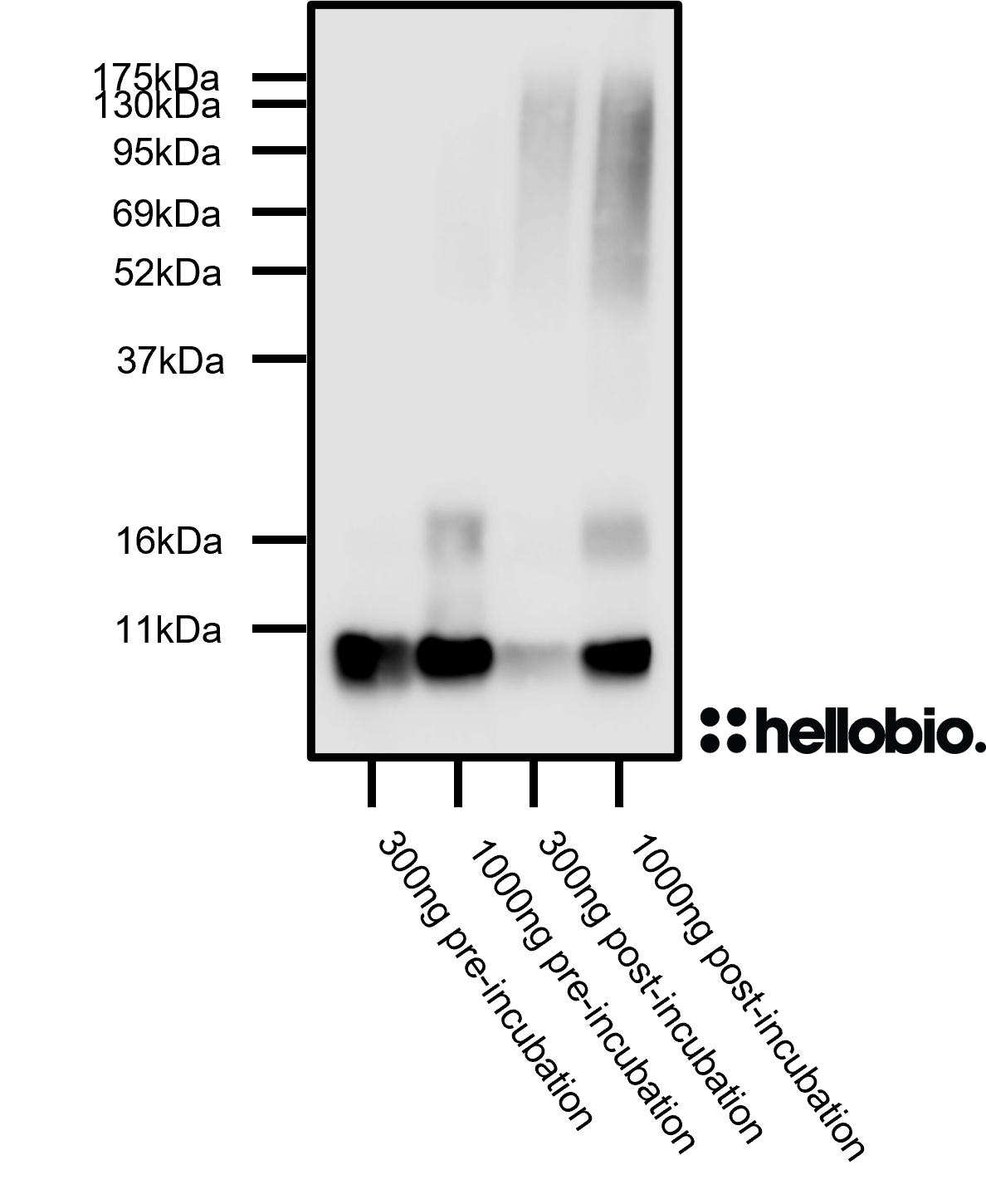
Figure 1. Detection of Aβ aggregation species using HB6580.
HB6580 detects both small soluble oligomers of Aβ and larger aggregates whose formation is promoted by incubation of Aβ (HB9805) for 7 days at 37°C in PBS. Method: Aβ1-42 (HB9805) was diluted to 0.45mg/ml and incubated for 7 days at 37 degrees to promote aggregation with samples being taken at day 0 and day 7. Samples were loaded at either 300ng or 1000ng per lane onto a 4-20% acrylamide gel alongside a protein ladder (HB9198) before being run at 160V for 45 minutes followed by wet transfer to a PVDF membrane (90 minutes, 400mA). The membrane was blocked for 2hrs in 5% non-fat dry milk before being incubated overnight at 4°C in HB6580 at 1µg/ml. Following washing, the membrane was incubated in secondary antibody (1:10,000 dilution, Polyclonal goat anti-mouse HRP conjugated) for 2hrs. For more detail, please see our Western blotting protocol. Detection was accomplished using ECL substrate and a Licor Odyssey Fc imaging system (ECL channel: 6 min exposure, 700nm channel: 30 sec exposure).
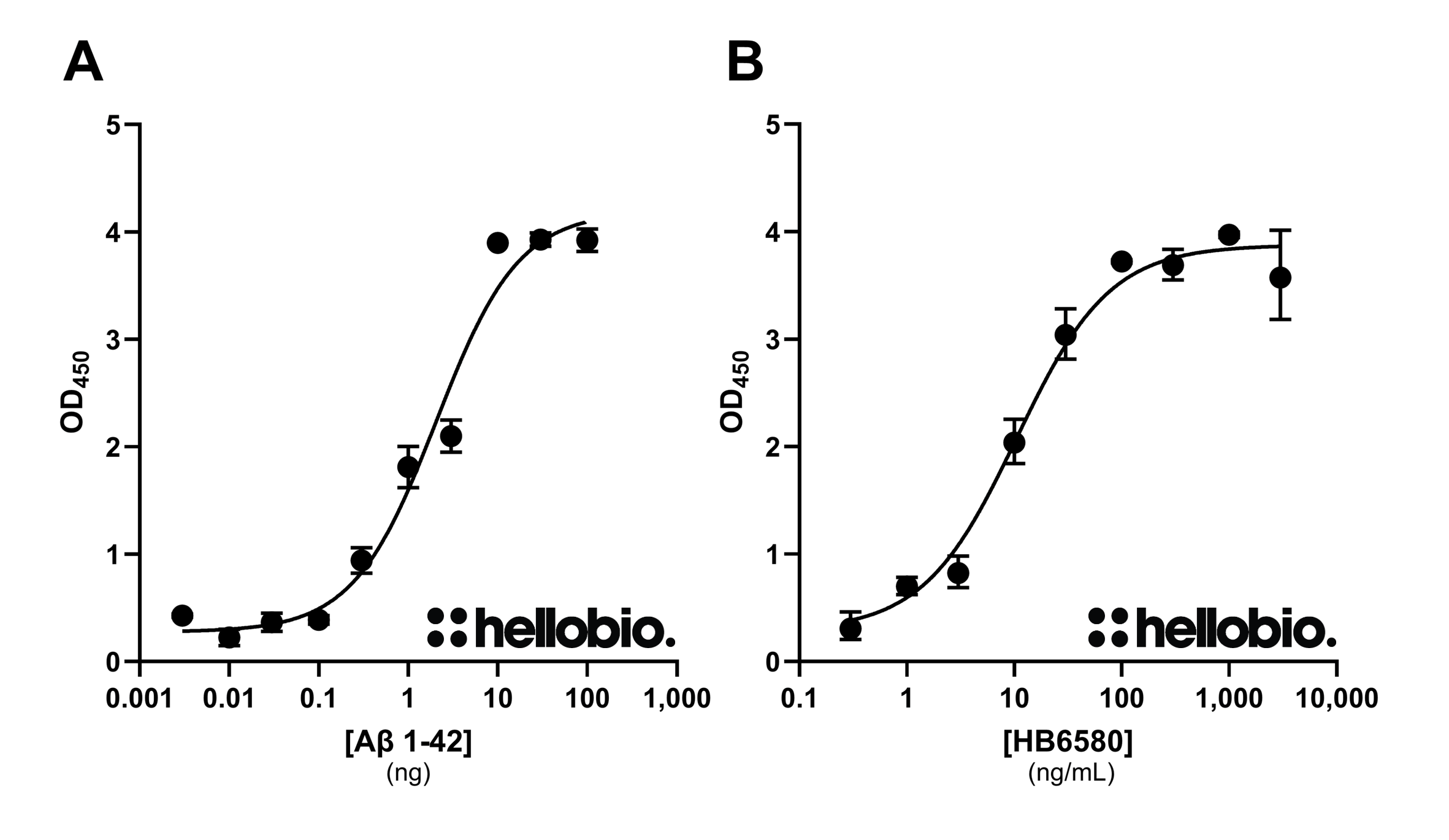
Figure 2. Detection of Aβ with HB6580 using direct ELISA
(A) HB6580 successfully detects Aβ1-42 coated onto a plate down to low ng/ml levels. Method: Aβ1-42 (HB9805) was coated using carbonate buffer onto high-binding ELISA plates overnight at between 0.003 and 300ng/well. The plate was blocked in 1% BSA before incubation with HB6580 at 1µg/ml for 1 hour. This was followed by incubation with a goat anti-mouse HRP antibody at 1:10,000 for 30 minutes and detection using TMB substrate (HB9992).
(B) HB6580 can detect Aβ1-42 at extremely high antibody dilutions. Method: Aβ1-42 (HB9805) was coated using carbonate buffer onto high-binding ELISA plates overnight at 100ng/well. The plate was blocked in 1% BSA before incubation with HB6580 between 0.3 and 3000ng/ml for 1 hour. This was followed by incubation with a goat anti-mouse HRP antibody at 1:10,000 for 30 minutes and detection using TMB substrate (HB9992).
For more information about ELISAs please see our full ELISA protocol.
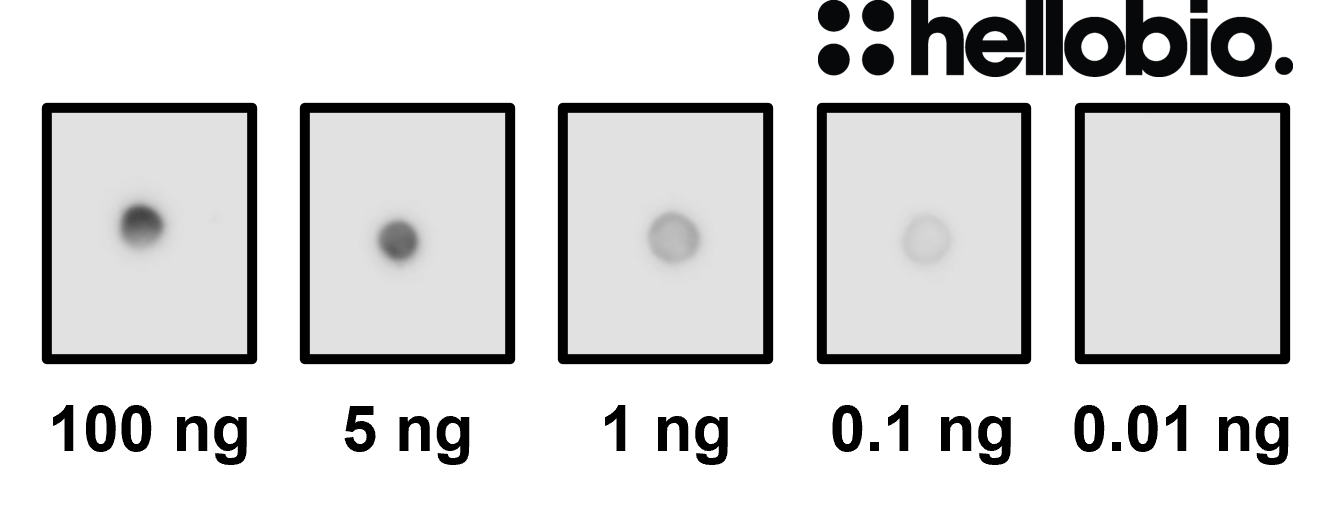
Figure 3. Dot blot of Aβ dilution series using HB9580.
HB6580 is able to detect A&beta at the low nanogram level. Method: Aβ (HB9805) was spotted onto nitrocellulose membranes, allowed to dry then blocked in 5% non-fat dry milk for 30 minutes before being incubated with 0.5µg/ml HB6580 for 1 hour. The blot was then incubated with a goat anti-mouse HRP antibody at 1:10,000 for 30 minutes before being developed using ECL substrate using a Licor Odyssey Fc imaging system (ECL channel: 6 min exposure, 700nm channel: 30 sec exposure).
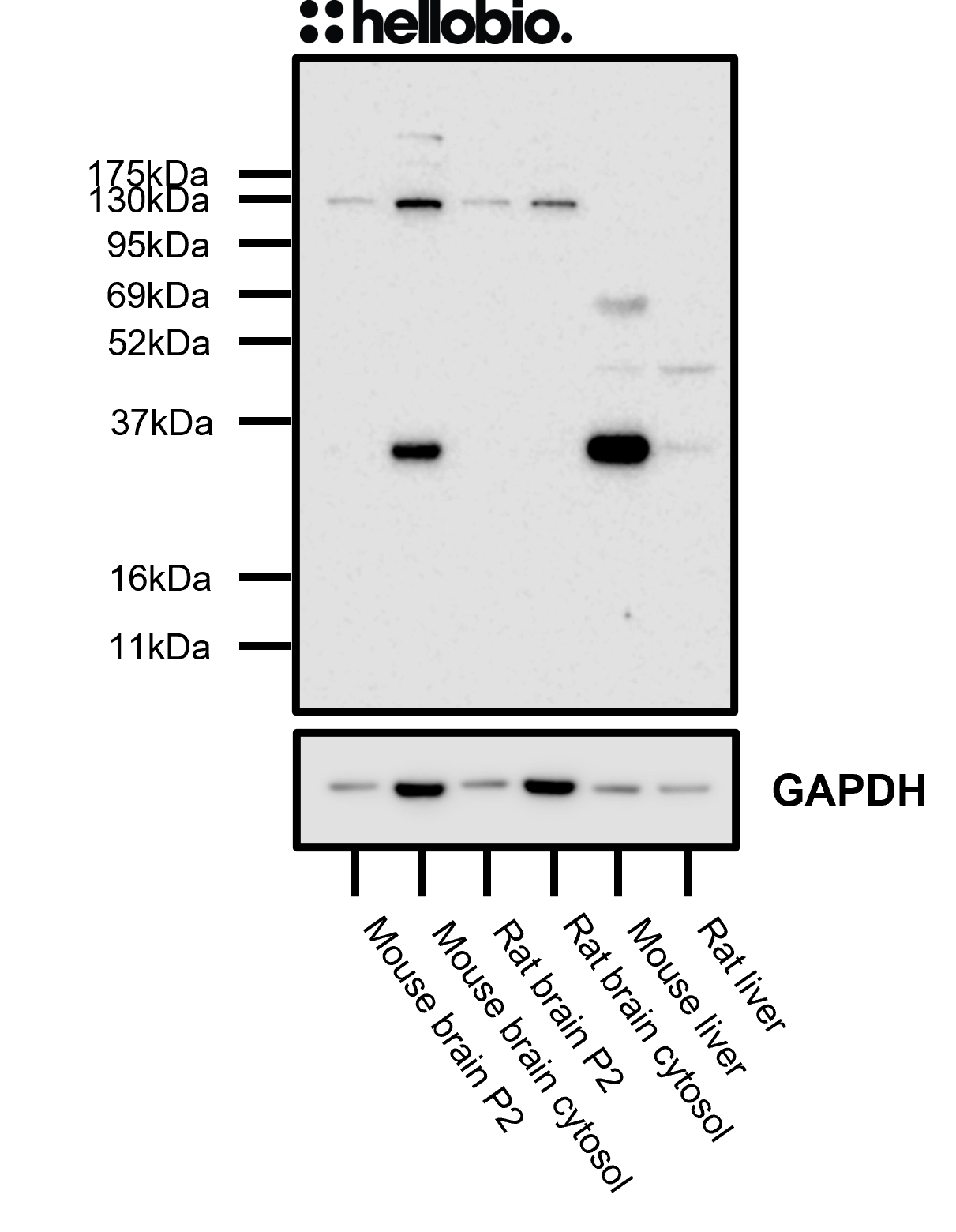
Figure 4. HB6580 staining in assorted mouse and rat tissue samples.
Western blot analysis of mouse and rat tissue lysates demonstrates detection of the ≈120 kDa Amyloid Precursor Protein (APP), with prominent additional staining observed at ≈30 kDa in some mouse fractions. Method: mouse brain and rat brain membrane (P2) and cytosol fractions were prepared following previous work (Molnar et al., 1993. Neuroscience 53:307-326) from freshly collected adult brains. Other tissue lysates were prepared following established protocols from freshly dissected tissue (see our guide on WB sample preparation). Samples were loaded at 20µg per lane onto a 4-20% acrylamide gel alongside a protein ladder (HB9198) before being run at 160V for 45 minutes followed by wet transfer to a PVDF membrane (90 minutes, 400mA). The membrane was blocked for 2hrs in 5% non-fat dry milk before being incubated overnight at 4°C in HB6580 at 1µg/ml. Following washing, the membrane was incubated in secondary antibody (1:10,000 dilution, Polyclonal goat anti-mouse HRP conjugated) for 2hrs. For more detail, please see our Western blotting protocol. Detection was accomplished using ECL substrate and a Licor Odyssey Fc imaging system (ECL channel: 6 min exposure, 700nm channel: 30 sec exposure).
Figure 1. Detection of Aβ aggregation species using HB6580.
HB6580 detects both small soluble oligomers of Aβ and larger aggregates whose formation is promoted by incubation of Aβ (HB9805) for 7 days at 37°C in PBS. Method: Aβ1-42 (HB9805) was diluted to 0.45mg/ml and incubated for 7 days at 37 degrees to promote aggregation with samples being taken at day 0 and day 7. Samples were loaded at either 300ng or 1000ng per lane onto a 4-20% acrylamide gel alongside a protein ladder (HB9198) before being run at 160V for 45 minutes followed by wet transfer to a PVDF membrane (90 minutes, 400mA). The membrane was blocked for 2hrs in 5% non-fat dry milk before being incubated overnight at 4°C in HB6580 at 1µg/ml. Following washing, the membrane was incubated in secondary antibody (1:10,000 dilution, Polyclonal goat anti-mouse HRP conjugated) for 2hrs. For more detail, please see our Western blotting protocol. Detection was accomplished using ECL substrate and a Licor Odyssey Fc imaging system (ECL channel: 6 min exposure, 700nm channel: 30 sec exposure).
Figure 2. Detection of Aβ with HB6580 using direct ELISA
(A) HB6580 successfully detects Aβ1-42 coated onto a plate down to low ng/ml levels. Method: Aβ1-42 (HB9805) was coated using carbonate buffer onto high-binding ELISA plates overnight at between 0.003 and 300ng/well. The plate was blocked in 1% BSA before incubation with HB6580 at 1µg/ml for 1 hour. This was followed by incubation with a goat anti-mouse HRP antibody at 1:10,000 for 30 minutes and detection using TMB substrate (HB9992).
(B) HB6580 can detect Aβ1-42 at extremely high antibody dilutions. Method: Aβ1-42 (HB9805) was coated using carbonate buffer onto high-binding ELISA plates overnight at 100ng/well. The plate was blocked in 1% BSA before incubation with HB6580 between 0.3 and 3000ng/ml for 1 hour. This was followed by incubation with a goat anti-mouse HRP antibody at 1:10,000 for 30 minutes and detection using TMB substrate (HB9992).
For more information about ELISAs please see our full ELISA protocol.
Figure 3. Dot blot of Aβ dilution series using HB9580.
HB6580 is able to detect A&beta at the low nanogram level. Method: Aβ (HB9805) was spotted onto nitrocellulose membranes, allowed to dry then blocked in 5% non-fat dry milk for 30 minutes before being incubated with 0.5µg/ml HB6580 for 1 hour. The blot was then incubated with a goat anti-mouse HRP antibody at 1:10,000 for 30 minutes before being developed using ECL substrate using a Licor Odyssey Fc imaging system (ECL channel: 6 min exposure, 700nm channel: 30 sec exposure).
Figure 4. HB6580 staining in assorted mouse and rat tissue samples.
Western blot analysis of mouse and rat tissue lysates demonstrates detection of the ≈120 kDa Amyloid Precursor Protein (APP), with prominent additional staining observed at ≈30 kDa in some mouse fractions. Method: mouse brain and rat brain membrane (P2) and cytosol fractions were prepared following previous work (Molnar et al., 1993. Neuroscience 53:307-326) from freshly collected adult brains. Other tissue lysates were prepared following established protocols from freshly dissected tissue (see our guide on WB sample preparation). Samples were loaded at 20µg per lane onto a 4-20% acrylamide gel alongside a protein ladder (HB9198) before being run at 160V for 45 minutes followed by wet transfer to a PVDF membrane (90 minutes, 400mA). The membrane was blocked for 2hrs in 5% non-fat dry milk before being incubated overnight at 4°C in HB6580 at 1µg/ml. Following washing, the membrane was incubated in secondary antibody (1:10,000 dilution, Polyclonal goat anti-mouse HRP conjugated) for 2hrs. For more detail, please see our Western blotting protocol. Detection was accomplished using ECL substrate and a Licor Odyssey Fc imaging system (ECL channel: 6 min exposure, 700nm channel: 30 sec exposure).
Product information
Immunogen
Carrier protein conjugated with residues 1-17 of human Aβ1-42
Clone number
BAM7cc
Isotype
IgG1
Purification
Protein A affinity chromatography
Concentration
1mg/ml
Formulation
Lyophilized. When reconstituted contains PBS with 1% recombinant albumin and 0.09% sodium azide
Predicted species reactivity
Human
Tested species reactivity
Human
Tested applications
Applications
ELISA, WB
Application notes
This antibody was raised to a N-terminal sequence of Amyloid Beta therefore will not recognise Amyloid β 25-35 peptide species.
Western blot optimal concentration
1µg/ml (1:1,000) is a good starting point depending upon the level of Aβ expression in the sample.
Positive control
Recombinant Aβ such as HB9805 serves as the best positive control due to increased consistency compared to tissue samples.
Negative control
Cell lines such as HEK293T do not express Amyloid Beta therefore serve as excellent negative controls.
Dependent upon Aβ species however the most common species are:
Amyloid Beta 1-40
Amyloid Beta 1-42
Amyloid Beta 25-35 (not recognized by this antibody)
Expression
The amyloid precursor protein (APP) exhibits a ubiquitous expression pattern across the body, with significant levels detected in the brain, kidney, lung, spleen, and skeletal muscle. While APP is widely distributed in both neuronal and non-neuronal tissues, the cleaved amyloid beta peptide is most prominently associated with the central nervous system, where it is secreted by neurons.
Subcellular expression
Amyloid beta is primarily generated within the trans-Golgi network and early endosomes following the internalization of APP from the cell surface. While the majority of the peptide is secreted, a distinct pool is retained within multivesicular bodies and lysosomes for degradation. Aβ has also been reported to accumulate in mitochondria alongside synaptic terminals.
Target function
Amyloid beta is a toxic peptide species created through proteolytic processing of APP (see our Amyloid Beta guide for more detail). Aβ is prone to aggregation to create both toxic soluble species and larger insoluble aggregates and plaques that are one of the hallmarks of Alzheimer's disease.
Processing
Amyloid precursor protein (APP) is cleaved by β-secretases such as BACE1 to give a 99 residue C-terminal fragment (C99) which is then cleaved again by the γ-secretase complex to liberate free amyloid beta which mostly takes the form of either Aβ1-40 or Aβ1-42
Post translational modifications
Amyloid beta is subject to various post-translational modifications (PTM) which have been linked to increased toxicity. Some key PTMs are isomerization of the aspartic acid residue at position 7 (iso-Aβ), N-terminal pyroglutamate formation, and phosphorylation at serine 8 (pS8-Aβ).
Homology (compared to human)
Rat and mouse Aβ1-42 have a 93% homology compared to the human homologue with three residue differences (R5G, Y10F, H13R).
Similar proteins
There is no significant homology to other proteins
Storage & Handling
Storage instructions
-20°C then use reconstitution advice
Reconstitution advice
Upon receipt store at either -20°C or -80°C.
For 100μg packs either:
Reconstitute with 100μl dH2O and store at 4°C
Reconstitute with 50μl dH2O and 50μl glycerol then store at -20°C
Reconstitute with 100μl dH2O, aliquot then snap freeze and store at -80°C
For 25μg packs either:
Reconstitute with 25μl dH2O and store at 4°C
Reconstitute with 12.5μl dH2O and 12.5μl glycerol then store at -20°C
Reconstitute with 25μl dH2O, aliquot then snap freeze and store at -80°C
For more information read our guide on the best care for your product. Take care when opening as the precipitate is extremely light and can easily be lost if disturbed. When reconstituting make sure that the antibody is thoroughly dissolved by pipetting up and down before giving the antibody a brief spin at 10,000g to make sure that all material is recovered and at the bottom of the tube.
Shipping Conditions
Stable for ambient temperature shipping. Follow storage instructions on receipt.
Important
This product is for RESEARCH USE ONLY and is not intended for therapeutic or diagnostic use. Not for human or veterinary use
What counterstains do you recommend for use in ICC and IHC with this antibody?
We recommend using either DAPI or Hoechst 33342 to label cell nuclei. In some experiments it is also helpful to label actin filaments in the cytoskeleton using a Phalloidin conjugate such as FITC Phalloidin or Rhodamine Phalloidin-TRITC.
Antibody to Amyloid Beta (Aβ) - neurotoxic peptide species that aggregates into plaques. Part of the ValidAb™ range of highly validated, data-rich antibodies.




 Western Blot Protocol (1 MB)